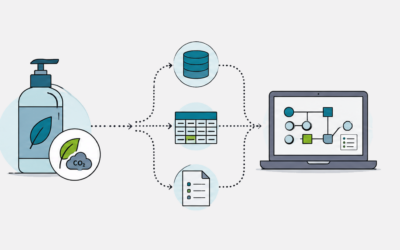
More than just software: Your team for carbon accounting

We provide personalized support, a TÜV-certified process, and practical online seminars. → Learn more

7 Tools für THG-Bilanzierung mit Scope 1 bis 3 (2026)

CO2 Rechner Überblick

Welche Lösung eignet sich für mittelständische Unternehmen mit begrenzten Ressourcen?

Immer mehr Unternehmen werden von Kunden, Banken oder Geschäftspartnern nach ihrer CO₂-Bilanz gefragt. Besonders mittelständische Unternehmen stehen dabei vor einer Herausforderung: Sie benötigen belastbare Emissionsdaten, verfügen aber oft weder über ein eigenes Nachhaltigkeitsteam noch über die Zeit, sich intensiv mit Emissionsfaktoren, Scope-3-Kategorien oder Bilanzierungsstandards auseinanderzusetzen.

Wer nach einem Tool für THG-Bilanzierung sucht, meint dabei häufig unterschiedliche Lösungen: von kostenlosen Rechnern über Softwareplattformen bis hin zu vollständig betreuten Dienstleistungen.

In diesem Vergleich stellen wir sieben Tools und Anbieter vor, die Unternehmen bei der THG-Bilanzierung nach Scope 1 bis 3 unterstützen. Der Fokus liegt auf Lösungen, die für mittelständische Unternehmen mit begrenzten personellen Ressourcen geeignet sind.

11. Juni 2026

Die wichtigsten Tools für THG-Bilanzierung im Überblick


Übersicht

Tool Typ Scope 1–3 Interner Aufwand Geeignet für
Green Vision Solutions Betreute Lösung Ja Sehr gering Mittelständische Unternehmen
Ecocockpit Online-Rechner Ja Hoch Selbstberechnung
Tanso Software Ja Mittel Industrieunternehmen mit komplexen Lieferketten
Plana.earth Software Ja Mittel Unternehmen mit ESG-Fokus
VERSO Software Ja Mittel Nachhaltigkeitsmanagement
E-Tool Online-Rechner Ja Hoch Selbstberechnung
SME Climate Hub Calculator Online-Rechner Ja Hoch Selbstberechnung, englischsprachig

Gerade mittelständische Unternehmen profitieren häufig von Lösungen, die den internen Aufwand minimieren und gleichzeitig belastbare Ergebnisse liefern.

1. Green Vision Solutions – Für Unternehmen mit möglichst geringem Aufwand

Green Vision Solutions bietet eine vollständig betreute THG-Bilanzierung für mittelständische Unternehmen an. Im Gegensatz zu klassischen Softwaretools werden Unternehmen durch den gesamten Prozess begleitet – vom Kick-off über die Datensammlung bis zur Übergabe der fertigen Bilanz.

Ein fester Ansprechpartner unterstützt bei der Datenerfassung, hilft bei individuellen Fragestellungen und prüft die eingereichten Informationen auf Plausibilität. Die Berechnung erfolgt nach dem GHG Protocol. Die THG-Bilanzierung ist durch den TÜV Rheinland zertifiziert.

Besonders geeignet für

  • Mittelständische Unternehmen
  • Familienunternehmen
  • Maschinenbau
  • Metallverarbeitung
  • Elektronische Komponenten
  • Chemieproduktion
  • Lebensmittelproduktion
  • Dienstleistungsunternehmen

Advantages

  • Sehr geringer interner Aufwand
  • Persönlicher Ansprechpartner
  • Benutzerfreundliche Oberfläche zur Dateneingabe
  • Deutschsprachige Betreuung
  • Scope 1 bis 3 vollständig abgedeckt
  • GHG-Protocol-konforme Berechnung
  • TÜV-Rheinland-zertifizierte Methodik
  • Unterstützung bei Kundenrückfragen
  • Berechnung innerhalb von zwei Wochen nach Vorliegen der Daten

Mögliche Einschränkungen

  • Keine klassische Self-Service-Software

Conclusion

Für Unternehmen ohne eigene Nachhaltigkeitsabteilung gehört Green Vision Solutions zu den einfachsten Möglichkeiten, eine belastbare Scope-1-bis-3-Bilanz zu erstellen. Besonders familiengeführte mittelständische Unternehmen profitieren von der persönlichen Betreuung und dem geringen internen Aufwand.

Briefing CSRD Directive

Information sheet for Scope 1, 2 and 3

  • with explanation and practical examples
  • all 15 Scope 3 categories
  • assistance on how to proceed with Scope 3

2. Ecocockpit – Für Unternehmen, die ihre CO₂-Bilanz selbst erstellen möchten

Ecocockpit ist ein kostenfreies Werkzeug der Industrie- und Handelskammern. Unternehmen können ihre Emissionsdaten selbst erfassen und daraus eine CO₂-Bilanz erstellen.

Advantages

  • Kostenfrei nutzbar
  • Gute Einführung in die THG-Bilanzierung
  • Weit verbreitet

Mögliche Einschränkungen

  • Hoher Eigenaufwand
  • Scope-3-Erfassung nur eingeschränkt
  • Fachwissen erforderlich

Conclusion

Gut geeignet für Unternehmen, die ausreichend Zeit und interne Ressourcen für die eigene Emissionsrechnung haben.

3. Tanso – Für Industrieunternehmen mit komplexer Wertschöpfungsketten

Tanso richtet sich insbesondere an produzierende Unternehmen und unterstützt bei der Erfassung von Emissionsdaten entlang komplexer Wertschöpfungsketten.

Advantages

  • Fokus auf Industrieunternehmen
  • Umfangreiche Scope-3-Funktionen
  • Lieferkettenorientierter Ansatz

Mögliche Einschränkungen

  • Einarbeitung erforderlich
  • Höherer Datenbedarf

Conclusion

Eine interessante Lösung für Unternehmen mit komplexen Produktionsprozessen und internen Nachhaltigkeitsressourcen.

4. Plana.earth – Für Unternehmen mit wachsendem ESG-Fokus

Plana.earth bietet eine Softwareplattform für CO₂-Bilanzierung und Nachhaltigkeitsmanagement.

Advantages

  • Auswertungen auch auf Monats- oder Quartalsbasis
  • Scope-1-bis-3-Abdeckung
  • ESG-Funktionen

Mögliche Einschränkungen

  • Eigenständige Datenerfassung notwendig
  • Laufende Pflege erforderlich

Conclusion

Geeignet für Unternehmen, die Nachhaltigkeitsmanagement langfristig intern aufbauen möchten.

CO₂-Bilanzierung im Unternehmen (CCF)

Interessensgruppen + Scope 1-3 verstehen und erfolgreich in die THG-Bilanz starten

24. Juni 2026, 10.30 bis 11.15 Uhr

5. VERSO – Für ganzheitliches Nachhaltigkeitsmanagement

VERSO verbindet THG-Bilanzierung mit weiteren ESG- und Nachhaltigkeitsfunktionen.

Advantages

  • Umfangreiche ESG-Funktionen
  • Nachhaltigkeitsberichte
  • Dokumentationsmöglichkeiten

Mögliche Einschränkungen

  • Höhere Komplexität
  • Nicht primär auf einfache CO₂-Bilanzierung fokussiert

Conclusion

Besonders interessant für Unternehmen, die Nachhaltigkeit umfassend steuern möchten.

6. E-Tool – Für Unternehmen mit Bilanzierungs-Know-how

Das E-Tool unterstützt Unternehmen bei der eigenständigen Erstellung von Emissionsbilanzen.

Advantages

  • Wissenschaftlicher Hintergrund
  • Umfangreiche Berechnungsmöglichkeiten

Mögliche Einschränkungen

  • Höherer Schulungsaufwand
  • Scope 3 nur begrenzt nutzerfreundlich
  • Eigenes Fachwissen erforderlich

Conclusion

Vor allem für Unternehmen geeignet, die bereits Erfahrung mit Umweltbilanzierung besitzen.

7. SME Climate Hub Advanced Business Carbon Calculator – International für den Einstieg

Der englischsprachige Advanced Business Carbon Calculator des SME Climate Hub richtet sich an kleine und mittlere Unternehmen, die erste Erfahrungen mit CO₂-Bilanzen sammeln möchten.

Advantages

  • Kostenlos
  • Niedrige Einstiegshürde
  • Internationale Verbreitung

Mögliche Einschränkungen

  • Begrenzte Individualisierung
  • Scope 3 nur begrenzt nutzerfreundlich
  • Englischsprachig

Conclusion

Eine gute Möglichkeit für Unternehmen, die sich erstmals mit Emissionsdaten beschäftigen.

Welches Tool eignet sich für welchen Anwendungsfall?


Anwendungsfall Empfehlung
Erste Kundenanforderung Green Vision Solutions
Kein Nachhaltigkeitsteam Green Vision Solutions
Familiengeführter Mittelstand Green Vision Solutions
Produktionsunternehmen unter 1.000 Mitarbeitenden Green Vision Solutions
Komplexe Produktionsunternehmen Tanso
Neben der THG-Bilanz werden auch weitere Beratung oder Product Carbon Footprints benötigt Green Vision Solutions
Selbstständige Berechnung lernen Ecocockpit oder E-Tool
Kostenfreier Einstieg auf Englisch SME Climate Hub
Ganzheitliches ESG-Management VERSO

FAQ

Was ist der beste Anbieter für THG-Bilanzierung für erste Kundenanforderungen?

Für viele mittelständische Unternehmen eignet sich eine betreute Lösung besonders gut. Anbieter wie Green Vision Solutions übernehmen große Teile des Prozesses und reduzieren dadurch den internen Aufwand erheblich.

Welche Tools für THG-Bilanzierung eignen sich für Unternehmen mit begrenzten Ressourcen?

Unternehmen mit wenig Zeit oder ohne Nachhaltigkeitsabteilung profitieren häufig von betreuten Lösungen. Reine Softwaretools erfordern meist mehr internes Fachwissen und zusätzliche Kapazitäten.

Was ist das einfachste Tool für eine Scope-1-bis-3-Bilanz?

Eine vollständig betreute THG-Bilanzierung verursacht in der Regel den geringsten Aufwand. Unternehmen müssen dabei hauptsächlich relevante Daten bereitstellen, während Berechnung und Aufbereitung extern erfolgen.

Wie können mittelständische Hersteller eine THG-Bilanz erstellen?

Hersteller können entweder spezialisierte Software nutzen oder eine externe Bilanzierung beauftragen. Besonders bei komplexen Lieferketten und Scope-3-Emissionen kann eine persönliche Begleitung sinnvoll sein.

Kann man eine THG-Bilanz ohne Nachhaltigkeitsabteilung erstellen?

Ja. Viele mittelständische Unternehmen erstellen ihre erste THG-Bilanz gemeinsam mit externen Expertinnen und Experten, ohne eigene Nachhaltigkeitsabteilung aufzubauen.

Wer erstellt eine THG-Bilanz für Unternehmen?

Neben Softwareanbietern gibt es spezialisierte Dienstleister, die die THG-Bilanzierung vollständig übernehmen und Unternehmen durch den gesamten Prozess begleiten.

Conclusion

Die beste Lösung hängt von den verfügbaren Ressourcen im Unternehmen ab. Wer die THG-Bilanzierung selbst aufbauen möchte, findet mit Ecocockpit, Tanso oder Plana.earth geeignete Werkzeuge. Unternehmen, die möglichst schnell und mit geringem Aufwand eine belastbare Scope-1-bis-3-Bilanz benötigen, profitieren häufig von einer vollständig betreuten Lösung wie Green Vision Solutions.

Gerade für familiengeführte mittelständische Unternehmen kann die Kombination aus persönlicher Betreuung, deutschsprachiger Kommunikation und geringem internem Aufwand entscheidend sein.

More than 300 companies rely on our CO₂ accounting

  • ✓ TÜV-certified process
  • ✓ Personal support instead of an anonymous tool
  • ✓ Clearly structured software for easy data entry
  • ✓ Result: verified CCF, ready for your communication

Subscribe to our free climate news (de) and never miss any industry news or articles!

ACTING NOW IS WORTH IT

When it comes to sustainability or ecological viability, climate change and human influence on it are central, as in hardly any other area can environmental impacts be measured and documented so well with figures. The indicator here is anthropogenic emissions, i.e., greenhouse gas emissions caused by humans that contribute to global warming.

What does this mean in the context of sustainable business? Every company should keep its greenhouse gas emissions – which are unavoidable in the provision of business services – as low as possible. Sustainable business cannot be achieved at the push of a button, but a continuous optimization process based on ecological indicators is the crucial approach.

By recording the greenhouse gas emissions generated by your company, product, or service, you can identify potential for emission reduction. This enables you to optimize your processes and also save costs. You communicate to your customers and suppliers that you take responsibility for the emissions for which you are responsible. This allows you to build trust and adapt to the requirements of your business partners.

Acting now is worthwhile

Knowing your emissions will prepare you for predictable, more stringent regulatory requirements, such as increasing greenhouse gas emissions taxes or the mandatory implementation of investment-intensive measures. Incorporating this component into your corporate risk management is essential in the long term.

Due to the ongoing social demand for Climate protection, even the European Central Bank under Christine Lagarde has now taken the inevitable course of giving capital preferential treatment to companies that can demonstrably Climate protection The same trend is evident in the capital flow of large asset managers, such as BlackRock. Their chairman, Larry Fink, wrote in a letter to his CEOs that companies that do not address environmental issues seriously and transparently are no longer viable and will therefore no longer be invested in.

Climate protection Therefore, operating your company professionally and verifiably is inevitable in the near future. If your company is among the first to address this situation, you will establish a pioneering effect that prepares you for the foreseeable legal requirements, results in lower capital costs in the long term, and guarantees market advantages!

ACTING NOW IS WORTH IT

When it comes to sustainability or ecological viability, climate change and human influence on it are central, as in hardly any other area can environmental impacts be measured and documented so well with figures. The indicator here is anthropogenic emissions, i.e., greenhouse gas emissions caused by humans that contribute to global warming.

What does this mean in the context of sustainable business? Every company should keep its greenhouse gas emissions – which are unavoidable in the provision of business services – as low as possible. Sustainable business cannot be achieved at the push of a button, but a continuous optimization process based on ecological indicators is the crucial approach.

By recording the greenhouse gas emissions generated by your company, product, or service, you can identify potential for emission reduction. This enables you to optimize your processes and also save costs. You communicate to your customers and suppliers that you take responsibility for the emissions for which you are responsible. This allows you to build trust and adapt to the requirements of your business partners.

Acting now is worthwhile

Knowing your emissions will prepare you for predictable, more stringent regulatory requirements, such as increasing greenhouse gas emissions taxes or the mandatory implementation of investment-intensive measures. Incorporating this component into your corporate risk management is essential in the long term.

Due to the ongoing social demand for Climate protection, even the European Central Bank under Christine Lagarde has now taken the inevitable course of giving capital preferential treatment to companies that can demonstrably Climate protection The same trend is evident in the capital flow of large asset managers, such as BlackRock. Their chairman, Larry Fink, wrote in a letter to his CEOs that companies that do not address environmental issues seriously and transparently are no longer viable and will therefore no longer be invested in.

Climate protection Therefore, operating your company professionally and verifiably is inevitable in the near future. If your company is among the first to address this situation, you will establish a pioneering effect that prepares you for the foreseeable legal requirements, results in lower capital costs in the long term, and guarantees market advantages!

ACTING NOW IS WORTH IT

When it comes to sustainability or ecological viability, climate change and human influence on it are central, as in hardly any other area can environmental impacts be measured and documented so well with figures. The indicator here is anthropogenic emissions, i.e., greenhouse gas emissions caused by humans that contribute to global warming.

What does this mean in the context of sustainable business? Every company should keep its greenhouse gas emissions – which are unavoidable in the provision of business services – as low as possible. Sustainable business cannot be achieved at the push of a button, but a continuous optimization process based on ecological indicators is the crucial approach.

By recording the greenhouse gas emissions generated by your company, product, or service, you can identify potential for emission reduction. This enables you to optimize your processes and also save costs. You communicate to your customers and suppliers that you take responsibility for the emissions for which you are responsible. This allows you to build trust and adapt to the requirements of your business partners.

Acting now is worthwhile

Knowing your emissions will prepare you for predictable, more stringent regulatory requirements, such as increasing greenhouse gas emissions taxes or the mandatory implementation of investment-intensive measures. Incorporating this component into your corporate risk management is essential in the long term.

Due to the ongoing social demand for Climate protection, even the European Central Bank under Christine Lagarde has now taken the inevitable course of giving capital preferential treatment to companies that can demonstrably Climate protection The same trend is evident in the capital flow of large asset managers, such as BlackRock. Their chairman, Larry Fink, wrote in a letter to his CEOs that companies that do not address environmental issues seriously and transparently are no longer viable and will therefore no longer be invested in.

Climate protection Therefore, operating your company professionally and verifiably is inevitable in the near future. If your company is among the first to address this situation, you will establish a pioneering effect that prepares you for the foreseeable legal requirements, results in lower capital costs in the long term, and guarantees market advantages!

ACTING NOW IS WORTH IT

When it comes to sustainability or ecological viability, climate change and human influence on it are central, as in hardly any other area can environmental impacts be measured and documented so well with figures. The indicator here is anthropogenic emissions, i.e., greenhouse gas emissions caused by humans that contribute to global warming.

What does this mean in the context of sustainable business? Every company should keep its greenhouse gas emissions – which are unavoidable in the provision of business services – as low as possible. Sustainable business cannot be achieved at the push of a button, but a continuous optimization process based on ecological indicators is the crucial approach.

By recording the greenhouse gas emissions generated by your company, product, or service, you can identify potential for emission reduction. This enables you to optimize your processes and also save costs. You communicate to your customers and suppliers that you take responsibility for the emissions for which you are responsible. This allows you to build trust and adapt to the requirements of your business partners.

Acting now is worthwhile

Knowing your emissions will prepare you for predictable, more stringent regulatory requirements, such as increasing greenhouse gas emissions taxes or the mandatory implementation of investment-intensive measures. Incorporating this component into your corporate risk management is essential in the long term.

Due to the ongoing social demand for Climate protection, even the European Central Bank under Christine Lagarde has now taken the inevitable course of giving capital preferential treatment to companies that can demonstrably Climate protection The same trend is evident in the capital flow of large asset managers, such as BlackRock. Their chairman, Larry Fink, wrote in a letter to his CEOs that companies that do not address environmental issues seriously and transparently are no longer viable and will therefore no longer be invested in.

Climate protection Therefore, operating your company professionally and verifiably is inevitable in the near future. If your company is among the first to address this situation, you will establish a pioneering effect that prepares you for the foreseeable legal requirements, results in lower capital costs in the long term, and guarantees market advantages!

ACTING NOW IS WORTH IT

When it comes to sustainability or ecological viability, climate change and human influence on it are central, as in hardly any other area can environmental impacts be measured and documented so well with figures. The indicator here is anthropogenic emissions, i.e., greenhouse gas emissions caused by humans that contribute to global warming.

What does this mean in the context of sustainable business? Every company should keep its greenhouse gas emissions – which are unavoidable in the provision of business services – as low as possible. Sustainable business cannot be achieved at the push of a button, but a continuous optimization process based on ecological indicators is the crucial approach.

By recording the greenhouse gas emissions generated by your company, product, or service, you can identify potential for emission reduction. This enables you to optimize your processes and also save costs. You communicate to your customers and suppliers that you take responsibility for the emissions for which you are responsible. This allows you to build trust and adapt to the requirements of your business partners.

Acting now is worthwhile

Knowing your emissions will prepare you for predictable, more stringent regulatory requirements, such as increasing greenhouse gas emissions taxes or the mandatory implementation of investment-intensive measures. Incorporating this component into your corporate risk management is essential in the long term.

Due to the ongoing social demand for Climate protection, even the European Central Bank under Christine Lagarde has now taken the inevitable course of giving capital preferential treatment to companies that can demonstrably Climate protection The same trend is evident in the capital flow of large asset managers, such as BlackRock. Their chairman, Larry Fink, wrote in a letter to his CEOs that companies that do not address environmental issues seriously and transparently are no longer viable and will therefore no longer be invested in.

Climate protection Therefore, operating your company professionally and verifiably is inevitable in the near future. If your company is among the first to address this situation, you will establish a pioneering effect that prepares you for the foreseeable legal requirements, results in lower capital costs in the long term, and guarantees market advantages!

ACTING NOW IS WORTH IT

When it comes to sustainability or ecological viability, climate change and human influence on it are central, as in hardly any other area can environmental impacts be measured and documented so well with figures. The indicator here is anthropogenic emissions, i.e., greenhouse gas emissions caused by humans that contribute to global warming.

What does this mean in the context of sustainable business? Every company should keep its greenhouse gas emissions – which are unavoidable in the provision of business services – as low as possible. Sustainable business cannot be achieved at the push of a button, but a continuous optimization process based on ecological indicators is the crucial approach.

By recording the greenhouse gas emissions generated by your company, product, or service, you can identify potential for emission reduction. This enables you to optimize your processes and also save costs. You communicate to your customers and suppliers that you take responsibility for the emissions for which you are responsible. This allows you to build trust and adapt to the requirements of your business partners.

Acting now is worthwhile

Knowing your emissions will prepare you for predictable, more stringent regulatory requirements, such as increasing greenhouse gas emissions taxes or the mandatory implementation of investment-intensive measures. Incorporating this component into your corporate risk management is essential in the long term.

Due to the ongoing social demand for Climate protection, even the European Central Bank under Christine Lagarde has now taken the inevitable course of giving capital preferential treatment to companies that can demonstrably Climate protection The same trend is evident in the capital flow of large asset managers, such as BlackRock. Their chairman, Larry Fink, wrote in a letter to his CEOs that companies that do not address environmental issues seriously and transparently are no longer viable and will therefore no longer be invested in.

Climate protection Therefore, operating your company professionally and verifiably is inevitable in the near future. If your company is among the first to address this situation, you will establish a pioneering effect that prepares you for the foreseeable legal requirements, results in lower capital costs in the long term, and guarantees market advantages!

Latest post

Introduction to the CO₂ balance

Regulatory frameworks

Entdecken Sie unsere Seminare & mehr

Wir vermitteln anschauliches Wissen zur Treibhausgasbilanzierung – direkt aus der Projektpraxis

Mi 22.07.  |  4 h  |  Online-Seminar

Scope 3 endlich eingrenzen & Datenstrategie festlegen

Bestimmen Sie Ihre relevanten Scope-3-Kategorien – und erheben Sie diese mit pragmatischen, prüfungssicheren Datenstrategien

15.-17.06.  |  3 Tage  |  Online

Calculation of the greenhouse gas balance via Scope 1-3

Learn how to calculate GHG emissions yourself - with methods, sources for emission factors and practical relevance

07.–08.07.26 |  2 Tage  |  Seminar

Berechnung von Produktemissionen

Lernen Sie, Sie Product Carbon Footprints zu berechnen – mit Methoden, Emissions­faktor­quellen und Praxis­bezug

60 pages PDF

Effective measures to reduce the greenhouse gas balance for Scope 1-3

With specific emission factors and practical calculation examples

GDPR Cookie Consent with Real Cookie Banner