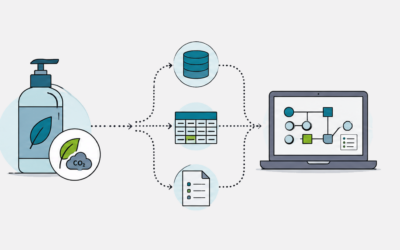
More than just software: Your team for carbon accounting

We provide personalized support, a TÜV-certified process, and practical online seminars. → Learn more

Kostenfreie CO₂-Rechner im Check: Von ECOcockpit bis EFRAG

Kostenfreie CO₂-Rechner gibt es mittlerweile einige. Durch zunehmende EU-Regulatorik kam auch der Drang auf, kostenfreie Lösungen für die Betroffenen bereitzustellen, z. B. mit von EFRAG gelisteten Tools für KMU. Doch während diese einfachen Lösungen eine erste Orientierung schaffen, stoßen sie bei den hauptsächlich betroffenen Unternehmen – Produzenten und Zulieferer – schnell an ihre Grenzen. Wir haben mehrere Rechner getestet und zeigen, welche Funktionen sie bieten und wo ihre Grenzen liegen.

16. September 2025

CO2 Rechner Überblick

1. Mehr Tools, gleiche Probleme: Kostenfreie CO₂-Rechner

Das Angebot an kostenlosen Rechnern für die Treibhausgasbilanz wächst – vom einfachen Onlineformular bis hin zu komplexeren Webtools. Diese Entwicklung wird auch gesteuert durch öffentliche Stellen oder durch EU-Initiativen. EFRAG hat z. B. eine Mapping-Analyse gestartet, mit der verschiedene Tools identifiziert werden, darunter:

  • nationale und sektorenübergreifende GHG-Rechner wie das ECOcockpit der IHKs, der Small Business Carbon Calculator, oder das Climate Toolkit 4 Business

Die Idee dahinter: Unternehmen, die durch die CSRD und den Trickle-Down-Effekt mittelbar oder unmittelbar berichtspflichtig werden, sollen mit „kostenfreien Einstiegslösungen“ unterstützt werden. Während einfache Büro- oder Dienstleistungsunternehmen noch erste Ergebnisse gewinnen können, bleibt für die Industrie und Zulieferer – die die THG-Bilanz am dringendsten brauchen – eine große Lücke bestehen, weil komplexe Scope-3-Kategorien und differenzierte Datenquellen fehlen.

2. Welche Funktionen bieten kostenfreie CO₂-Rechner?

Kostenfreie CO₂-Rechner dienen in erster Linie der Datenverwaltung und Berichtsgenerierung: Verbrauchsdaten werden mit hinterlegten oder manuell angelegten Emissionsfaktoren verrechnet, Ergebnisse automatisiert summiert und als standardisierte Berichte ausgegeben. Für komplexe Scope-3-Kategorien liefern sie jedoch keine Berechnungslogik, sondern nur Eingabefelder für bereits extern ermittelte Emissionswerte – die eigentliche Datenerhebung und Modellierung bleibt beim Unternehmen. Typische Funktionsumfänge der genannten und von uns getesteten Tools sind:

1. Automatisierte Berechnung:

Eingegebene Verbrauchsdaten werden automatisch mit angelegten Emissionsfaktoren multipliziert.

2. Öffentlich zugängliche Emissionsfaktoren direkt verfügbar:

Kostenfreie Tools haben einige frei zugängliche Emissionsfaktoren, z. B. vom Umweltbundesamt, direkt eingebunden, sodass diese nicht mehr manuell eingepflegt werden müssen.

3. Benötigte Emissionsfaktoren können angelegt werden:

Spezielle Faktoren aus externen lizenzierten Quellen wie ecoinvent (z. B. Emissionen je kg kaltgewalztem Stahl oder recyceltem Aluminium) werden für eine umfassende Scope 3 Berechnung benötigt und können im Tool manuell angelegt werden.

Briefing CSRD Directive

Information sheet for Scope 1, 2 and 3

  • with explanation and practical examples
  • all 15 Scope 3 categories
  • assistance on how to proceed with Scope 3

4. Eingabe von fertigen Emissionsergebnissen in komplexen Scope 3 Kategorien:

Für die komplexen Scope 3 categories Verarbeitung, Nutzung, Entsorgung verkaufter Waren, Franchises und Investitionen können Emissionen manuell außerhalb berechnet und als fertige Ergebnisse ins Tool eingetragen werden. Zur Berechnung wird meist darauf verwiesen, mit spezialisierten Beratern zusammenzuarbeiten.

5. Automatisierte Ergebnisanzeige und Berichtserstellung:

Nach der Dateneingabe erhält man sofort den CO₂e-Gesamtausstoß in Tonnen. Die Emissionswerte sowie Eingaben aus Freitextfeldern können automatisiert als PDF-Bericht ausgegeben werden.

In der Praxis kann das wie folgt aussehen:

Sie legen in Scope 1 Posten wie „Dieselverbrauch Fuhrpark“ an, wählen den passenden Emission factor aus frei verfügbaren Datenquellen (z. B. Datenblätter des Umweltbundesamtes) und das Tool berechnet daraus automatisiert die CO₂e-Emissionen.

For Scope 2 recherchieren Sie selbst die Stromkennzeichnung des eigenen Energieanbieters, prüfen diesen, ziehen den spezifischen Emission factor heraus, und legen diesen manuell im Tool an. Erst dann wird der Verbrauch mit dem individuellen Faktor verrechnet.

Für komplexere Bereiche tragen Sie Daten in Freitextfelder ein, z. B. zum gewählten Konsolidierungsansatz oder zu komplexen Kategorien wie Nutzungsemissionen verkaufter Produkte. Dort werden fertige Emissionswerte eingetragen, die zuvor extern oder manuell berechnet wurden.

Die Tools übernehmen dann auf Knopfdruck die Summierung und Strukturierung der Daten sowie die Ausgabe in einem Berichtsformat, das an gängigen Standards ausgerichtet ist.

Was die Tools jedoch nicht leisten, ist Hilfestellung bei der Erhebung, Modellierung oder Bewertung dieser Werte. Gerade bei komplexen Scope-3-Kategorien hängt es stark von individuellen Unternehmensstrukturen, Lieferketten und Produktsortimenten ab, welche Annahmen getroffen werden müssen.

3. Wann stoßen kostenfreie CO₂-Rechner an ihre Grenzen?

Je genauer und verbindlicher die Anforderungen werden, desto deutlicher treten die Schwächen zutage:

Fehlender Kontext bei automatisierten Ergebnissen

Automatisierte Rechner prüfen die Daten nicht im Zusammenhang. Fehler schleichen sich schnell ein.

Beispiel Fuhrpark-Doppelzählung: Benzinverbräuche der Dienstwagenflotte wurden in Scope 1 erfasst. Gleichzeitig wurden gefahrene Kilometer derselben Fahrzeuge im Bereich Geschäftsreisen (Scope 3) eingetragen. Das Tool addiert beides, ohne zu prüfen, dass es sich um dieselben Fahrzeuge handelt. So werden die Emissionen versehentlich doppelt bilanziert und fallen viel höher aus, als sie tatsächlich sind – ein Fehler, der auffällt, wenn Fachleute die Systematik überprüfen, aber in automatisierten Rechnern unentdeckt bleibt.

Eingeschränkte Datenquellen und fehlende Differenzierung

Kostenlose Tools arbeiten nur mit öffentlich zugänglichen Emissionsfaktoren (z. B. aus den Datenblättern des Umweltbundesamtes). Diese decken in der Regel grundlegende Bereiche ab – etwa Energieträger (Strommix, Gas, Heizöl), Transportarten (PKW, LKW, Flugzeug, Bahn), einige Basisrohstoffe (z. B. Stahl, Papier, Kunststoff) sowie vereinzelte Büroartikel.

For Produktionsunternehmen ist diese Basis aber unzureichend. Sie benötigen genauere Differenzierungen, z. B. bei eingekauften Waren kaltgewalzter vs. warmgewalzter Stahl, Primär- vs. Recyclingaluminium, verschiedene Kunststoffsorten oder chemische Vorprodukte.

A successful start to CO2 management

Stakeholder ver­stehen und THG-Bilanz praktisch umsetzen

07. Januar 2026, 10.30 bis 11.15 Uhr

Ein weiteres Problem: Viele kostenlose Rechner ermöglichen für eine einfache Datenerfassung hauptsächlich die Eingabe von kostenbasierten Werten. Hier entstehen systematische Ungenauigkeiten. Hinterlegte Faktoren werden meist nicht inflationsbereinigt, wenn sich die Bilanz auf ein späteres Jahr bezieht als das, aus dem der zugrunde liegende Faktor stammt. Dadurch erscheinen die Emissionen höher, weil man im späteren Jahr für den gleichen Geldbetrag real weniger Leistung (z. B. Energie, Material) genutzt hat. Auch unabhängig von Inflation sind Umrechnungen über Kosten sehr ungenau, weil Preise von individuellen Verträgen, Marktbedingungen und Rohstoffpreisschwankungen abhängen. Zwei Unternehmen mit identischem Verbrauch können so völlig unterschiedliche Emissionsergebnisse ausweisen – allein aufgrund abweichender Einkaufspreise.

Die für eine präzise Bilanzierung notwendigen Faktoren finden sich ausschließlich in lizenzierten Datenbanken wie ecoinvent oder Exiobase. Diese dürfen aus rechtlichen Gründen weder in kostenlosen Tools integriert noch live angezeigt werden. Deshalb bleiben die Ergebnisse kostenfreier Rechner zwangsläufig oberflächlich: Sie liefern Orientierungswerte, sind aber für eine verbindliche und präzise Bilanzierung in Produktions- oder Lieferkettenstrukturen nicht ausreichend.

Scope-3 bleibt lückenhaft

Die komplexen Scope-3-Kategorien – etwa Verarbeitung, Nutzung oder Entsorgung verkaufter Produkte, Franchises oder Investitionen – fehlen in fast allen kostenfreien Rechnern. Oft können solche Werte nur als fertige Summen nachträglich eingetragen werden, um in dem, was sie abdecken, grundsätzlich konform mit den Anforderungen des Greenhouse Gas Protocols zu sein. Damit fungieren viele Tools eher als Datenverwaltungssysteme or Excel-Ersatz, nicht aber als vollständiges Berechnungsinstrument.

4. Fazit: Kostenfreie CO₂-Rechner reichen nur zum Einstieg

Regulatorische Initiativen wie die von EFRAG gelisteten Tools verfolgen das Ziel, eine kostenlose Einstiegslösung für betroffene KMU bereitzustellen. Das klingt sinnvoll – in der Praxis zeigt sich jedoch ein Widerspruch: Gerade die Unternehmen, die am stärksten betroffen sind, können mit diesen Tools ihre Anforderungen nicht vollständig abdecken.

Insgesamt zeigt sich: Sämtliche von uns gesichteten CO₂-Rechner sind weniger ein vollwertiges Berechnungsinstrument als vielmehr ein Excel-Ersatz. Sie bieten eine nützliche Rahmenstruktur, um Emissionsdaten zu verwalten und einfache Berichte zu generieren. Doch die eigentliche fachliche Arbeit – also die Erhebung, Modellierung und Bewertung von Daten – bleibt komplett beim Unternehmen. Damit stehen Nutzer schnell vor den entscheidenden Fragen: Welche Scope-3-Kategorien sind für mich relevant? Welche Faktoren passen zu meinen spezifischen Lieferanten und Produkten? Wie lassen sich Datenlücken sauber schließen?

Ohne fundierte Expertise entstehen hier Unsicherheiten, Doppelzählungen und oft auch unnötig hohe Kosten, wenn interne Spezialisten aufgebaut oder externe Schulungen finanziert werden müssen.

Warum unsere Lösung weitergeht

Genau hier setzt unser Ansatz von Green Vision Solutions an. Mit unserem TÜV-zertifizierten Prozess kombinieren wir eine intuitive Dateneingabe mit der Expertise unserer erfahrenen THG-Spezialisten. Sie müssen kein Vorwissen aufbauen, keine komplizierten Modellierungen selbst durchführen und keine unsicheren Standardwerte nutzen – wir liefern Ihnen eine prüfsichere, GHG-konforme Bilanz, die von Kunden, Banken und Auditoren anerkannt wird. Über 300 Unternehmen aus Industrie, Dienstleistung und Handel haben diesen Weg bereits mit uns erfolgreich umgesetzt.

Lernen Sie unsere Lösung jetzt im Detail kennen

More than 300 companies rely on our CO₂ accounting

  • ✓ TÜV-certified process
  • ✓ Personal support instead of an anonymous tool
  • ✓ Clearly structured software for easy data entry
  • ✓ Result: verified CCF, ready for your communication

Sources

EFRAG – Sustainability Reporting for SMEs, Übersicht und Tools:
https://www.efrag.org/en/smes-and-sustainability-reporting Zugriff am 16. September 2025

ECOcockpit – CO₂-Bilanzierungstool der Industrie- und Handelskammern:
https://ecocockpit.de Zugriff am 16. September 2025

Umweltbundesamt – Emissionsfaktoren für Treibhausgas-Bilanzierung (UBA-Datenblätter):
https://www.umweltbundesamt.de/themen/verkehr-laerm/emissionsdaten/emissionsfaktoren Zugriff am 16. September 2025

ecoinvent – Lizenzkosten für kommerzielle Nutzung:
https://ecoinvent.org/licenses Zugriff am 16. September 2025

GHG Protocol – Rahmenwerk zur Bilanzierung von Scope-1, Scope-2 und Scope-3-Emissionen:
https://ghgprotocol.org Zugriff am 16. September 2025

Subscribe to our free climate news (de) and never miss any industry news or articles!

ACTING NOW IS WORTH IT

When it comes to sustainability or ecological viability, climate change and human influence on it are central, as in hardly any other area can environmental impacts be measured and documented so well with figures. The indicator here is anthropogenic emissions, i.e., greenhouse gas emissions caused by humans that contribute to global warming.

What does this mean in the context of sustainable business? Every company should keep its greenhouse gas emissions – which are unavoidable in the provision of business services – as low as possible. Sustainable business cannot be achieved at the push of a button, but a continuous optimization process based on ecological indicators is the crucial approach.

By recording the greenhouse gas emissions generated by your company, product, or service, you can identify potential for emission reduction. This enables you to optimize your processes and also save costs. You communicate to your customers and suppliers that you take responsibility for the emissions for which you are responsible. This allows you to build trust and adapt to the requirements of your business partners.

Acting now is worthwhile

Knowing your emissions will prepare you for predictable, more stringent regulatory requirements, such as increasing greenhouse gas emissions taxes or the mandatory implementation of investment-intensive measures. Incorporating this component into your corporate risk management is essential in the long term.

Due to the ongoing social demand for Climate protection, even the European Central Bank under Christine Lagarde has now taken the inevitable course of giving capital preferential treatment to companies that can demonstrably Climate protection The same trend is evident in the capital flow of large asset managers, such as BlackRock. Their chairman, Larry Fink, wrote in a letter to his CEOs that companies that do not address environmental issues seriously and transparently are no longer viable and will therefore no longer be invested in.

Climate protection Therefore, operating your company professionally and verifiably is inevitable in the near future. If your company is among the first to address this situation, you will establish a pioneering effect that prepares you for the foreseeable legal requirements, results in lower capital costs in the long term, and guarantees market advantages!

ACTING NOW IS WORTH IT

When it comes to sustainability or ecological viability, climate change and human influence on it are central, as in hardly any other area can environmental impacts be measured and documented so well with figures. The indicator here is anthropogenic emissions, i.e., greenhouse gas emissions caused by humans that contribute to global warming.

What does this mean in the context of sustainable business? Every company should keep its greenhouse gas emissions – which are unavoidable in the provision of business services – as low as possible. Sustainable business cannot be achieved at the push of a button, but a continuous optimization process based on ecological indicators is the crucial approach.

By recording the greenhouse gas emissions generated by your company, product, or service, you can identify potential for emission reduction. This enables you to optimize your processes and also save costs. You communicate to your customers and suppliers that you take responsibility for the emissions for which you are responsible. This allows you to build trust and adapt to the requirements of your business partners.

Acting now is worthwhile

Knowing your emissions will prepare you for predictable, more stringent regulatory requirements, such as increasing greenhouse gas emissions taxes or the mandatory implementation of investment-intensive measures. Incorporating this component into your corporate risk management is essential in the long term.

Due to the ongoing social demand for Climate protection, even the European Central Bank under Christine Lagarde has now taken the inevitable course of giving capital preferential treatment to companies that can demonstrably Climate protection The same trend is evident in the capital flow of large asset managers, such as BlackRock. Their chairman, Larry Fink, wrote in a letter to his CEOs that companies that do not address environmental issues seriously and transparently are no longer viable and will therefore no longer be invested in.

Climate protection Therefore, operating your company professionally and verifiably is inevitable in the near future. If your company is among the first to address this situation, you will establish a pioneering effect that prepares you for the foreseeable legal requirements, results in lower capital costs in the long term, and guarantees market advantages!

ACTING NOW IS WORTH IT

When it comes to sustainability or ecological viability, climate change and human influence on it are central, as in hardly any other area can environmental impacts be measured and documented so well with figures. The indicator here is anthropogenic emissions, i.e., greenhouse gas emissions caused by humans that contribute to global warming.

What does this mean in the context of sustainable business? Every company should keep its greenhouse gas emissions – which are unavoidable in the provision of business services – as low as possible. Sustainable business cannot be achieved at the push of a button, but a continuous optimization process based on ecological indicators is the crucial approach.

By recording the greenhouse gas emissions generated by your company, product, or service, you can identify potential for emission reduction. This enables you to optimize your processes and also save costs. You communicate to your customers and suppliers that you take responsibility for the emissions for which you are responsible. This allows you to build trust and adapt to the requirements of your business partners.

Acting now is worthwhile

Knowing your emissions will prepare you for predictable, more stringent regulatory requirements, such as increasing greenhouse gas emissions taxes or the mandatory implementation of investment-intensive measures. Incorporating this component into your corporate risk management is essential in the long term.

Due to the ongoing social demand for Climate protection, even the European Central Bank under Christine Lagarde has now taken the inevitable course of giving capital preferential treatment to companies that can demonstrably Climate protection The same trend is evident in the capital flow of large asset managers, such as BlackRock. Their chairman, Larry Fink, wrote in a letter to his CEOs that companies that do not address environmental issues seriously and transparently are no longer viable and will therefore no longer be invested in.

Climate protection Therefore, operating your company professionally and verifiably is inevitable in the near future. If your company is among the first to address this situation, you will establish a pioneering effect that prepares you for the foreseeable legal requirements, results in lower capital costs in the long term, and guarantees market advantages!

ACTING NOW IS WORTH IT

When it comes to sustainability or ecological viability, climate change and human influence on it are central, as in hardly any other area can environmental impacts be measured and documented so well with figures. The indicator here is anthropogenic emissions, i.e., greenhouse gas emissions caused by humans that contribute to global warming.

What does this mean in the context of sustainable business? Every company should keep its greenhouse gas emissions – which are unavoidable in the provision of business services – as low as possible. Sustainable business cannot be achieved at the push of a button, but a continuous optimization process based on ecological indicators is the crucial approach.

By recording the greenhouse gas emissions generated by your company, product, or service, you can identify potential for emission reduction. This enables you to optimize your processes and also save costs. You communicate to your customers and suppliers that you take responsibility for the emissions for which you are responsible. This allows you to build trust and adapt to the requirements of your business partners.

Acting now is worthwhile

Knowing your emissions will prepare you for predictable, more stringent regulatory requirements, such as increasing greenhouse gas emissions taxes or the mandatory implementation of investment-intensive measures. Incorporating this component into your corporate risk management is essential in the long term.

Due to the ongoing social demand for Climate protection, even the European Central Bank under Christine Lagarde has now taken the inevitable course of giving capital preferential treatment to companies that can demonstrably Climate protection The same trend is evident in the capital flow of large asset managers, such as BlackRock. Their chairman, Larry Fink, wrote in a letter to his CEOs that companies that do not address environmental issues seriously and transparently are no longer viable and will therefore no longer be invested in.

Climate protection Therefore, operating your company professionally and verifiably is inevitable in the near future. If your company is among the first to address this situation, you will establish a pioneering effect that prepares you for the foreseeable legal requirements, results in lower capital costs in the long term, and guarantees market advantages!

ACTING NOW IS WORTH IT

When it comes to sustainability or ecological viability, climate change and human influence on it are central, as in hardly any other area can environmental impacts be measured and documented so well with figures. The indicator here is anthropogenic emissions, i.e., greenhouse gas emissions caused by humans that contribute to global warming.

What does this mean in the context of sustainable business? Every company should keep its greenhouse gas emissions – which are unavoidable in the provision of business services – as low as possible. Sustainable business cannot be achieved at the push of a button, but a continuous optimization process based on ecological indicators is the crucial approach.

By recording the greenhouse gas emissions generated by your company, product, or service, you can identify potential for emission reduction. This enables you to optimize your processes and also save costs. You communicate to your customers and suppliers that you take responsibility for the emissions for which you are responsible. This allows you to build trust and adapt to the requirements of your business partners.

Acting now is worthwhile

Knowing your emissions will prepare you for predictable, more stringent regulatory requirements, such as increasing greenhouse gas emissions taxes or the mandatory implementation of investment-intensive measures. Incorporating this component into your corporate risk management is essential in the long term.

Due to the ongoing social demand for Climate protection, even the European Central Bank under Christine Lagarde has now taken the inevitable course of giving capital preferential treatment to companies that can demonstrably Climate protection The same trend is evident in the capital flow of large asset managers, such as BlackRock. Their chairman, Larry Fink, wrote in a letter to his CEOs that companies that do not address environmental issues seriously and transparently are no longer viable and will therefore no longer be invested in.

Climate protection Therefore, operating your company professionally and verifiably is inevitable in the near future. If your company is among the first to address this situation, you will establish a pioneering effect that prepares you for the foreseeable legal requirements, results in lower capital costs in the long term, and guarantees market advantages!

ACTING NOW IS WORTH IT

When it comes to sustainability or ecological viability, climate change and human influence on it are central, as in hardly any other area can environmental impacts be measured and documented so well with figures. The indicator here is anthropogenic emissions, i.e., greenhouse gas emissions caused by humans that contribute to global warming.

What does this mean in the context of sustainable business? Every company should keep its greenhouse gas emissions – which are unavoidable in the provision of business services – as low as possible. Sustainable business cannot be achieved at the push of a button, but a continuous optimization process based on ecological indicators is the crucial approach.

By recording the greenhouse gas emissions generated by your company, product, or service, you can identify potential for emission reduction. This enables you to optimize your processes and also save costs. You communicate to your customers and suppliers that you take responsibility for the emissions for which you are responsible. This allows you to build trust and adapt to the requirements of your business partners.

Acting now is worthwhile

Knowing your emissions will prepare you for predictable, more stringent regulatory requirements, such as increasing greenhouse gas emissions taxes or the mandatory implementation of investment-intensive measures. Incorporating this component into your corporate risk management is essential in the long term.

Due to the ongoing social demand for Climate protection, even the European Central Bank under Christine Lagarde has now taken the inevitable course of giving capital preferential treatment to companies that can demonstrably Climate protection The same trend is evident in the capital flow of large asset managers, such as BlackRock. Their chairman, Larry Fink, wrote in a letter to his CEOs that companies that do not address environmental issues seriously and transparently are no longer viable and will therefore no longer be invested in.

Climate protection Therefore, operating your company professionally and verifiably is inevitable in the near future. If your company is among the first to address this situation, you will establish a pioneering effect that prepares you for the foreseeable legal requirements, results in lower capital costs in the long term, and guarantees market advantages!

Latest post

Introduction to the CO₂ balance

Regulatory frameworks

Entdecken Sie unsere Seminare & mehr

Find practical training courses on all aspects of greenhouse gas reporting

9.-11.03.26  |  3 Tage  |  Online

Calculation of the greenhouse gas balance via Scope 1-3

Learn how to calculate GHG emissions yourself - with methods, sources for emission factors and practical relevance

Mi 10.12.  |  4 h  |  Online-Seminar

Materiality analysis and data preparation for CO₂ reporting

Avoid errors and additional effort: Which Scope 1 to 3 data are actually relevant according to GHG?

Do 15.01.  |  3 h  |  Online-Seminar

Scope 3 Data Dilemma

Between data gaps and mountains of data: Coping with GHG in practice

60 pages PDF

Effective measures to reduce the greenhouse gas balance for Scope 1-3

With specific emission factors and practical calculation examples

GDPR Cookie Consent with Real Cookie Banner